Field Notes from an AI Operator
We built our organizations for a world where change could be managed toward a set destination.
Set the targets. Implement the system. Establish the operating model. Run the playbook.
That world is gone. Now, the destination moves too.
In the AI era, there is no fixed destination.
“The advantage won't come from perfectly predicting what comes next.It will come from building leaders and organizations powered by AI, capable of continuously learning, adapting, and evolving.”- Jerold M
Jerold McDonald
Founder + AI Operating Partner, ethos AI Labs
Builder · Operator · Advisor · Board Director
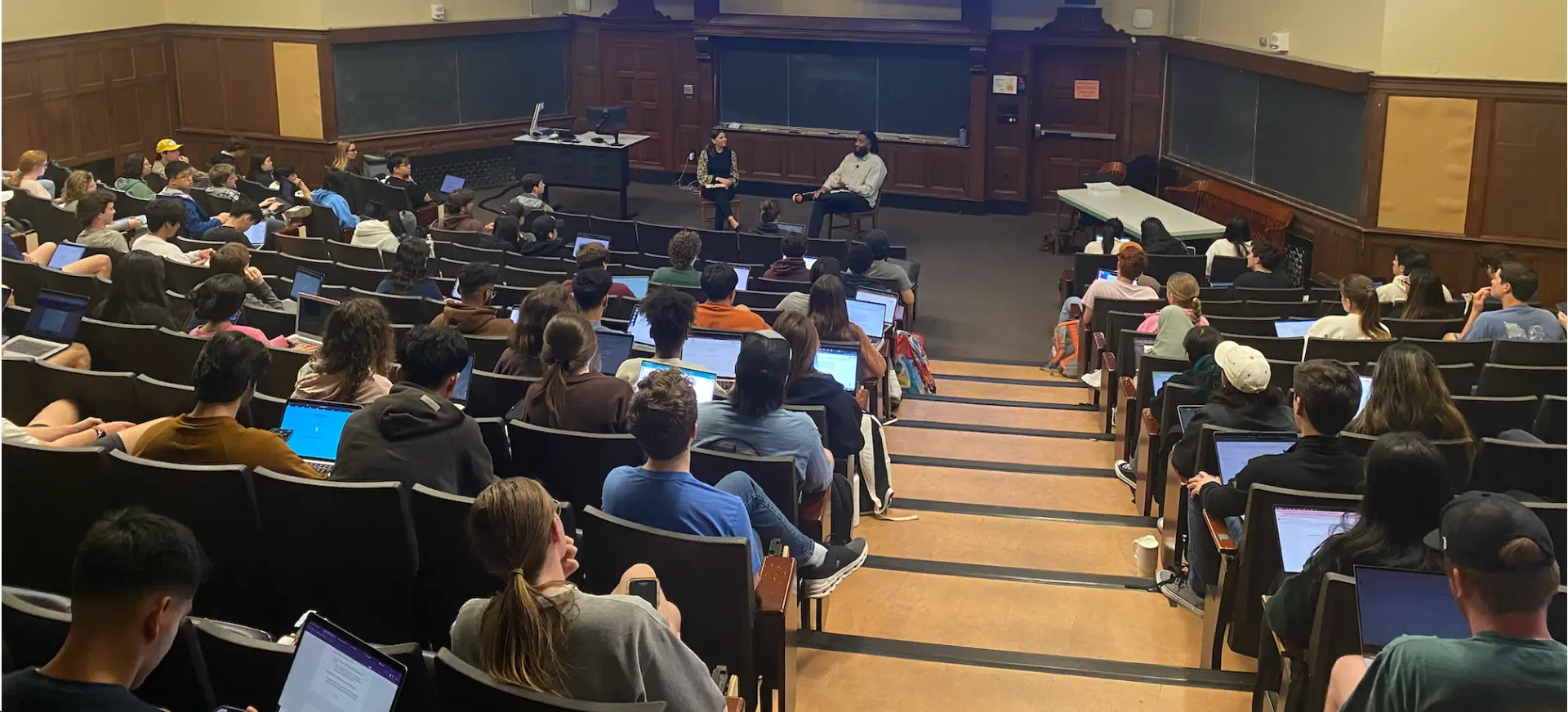
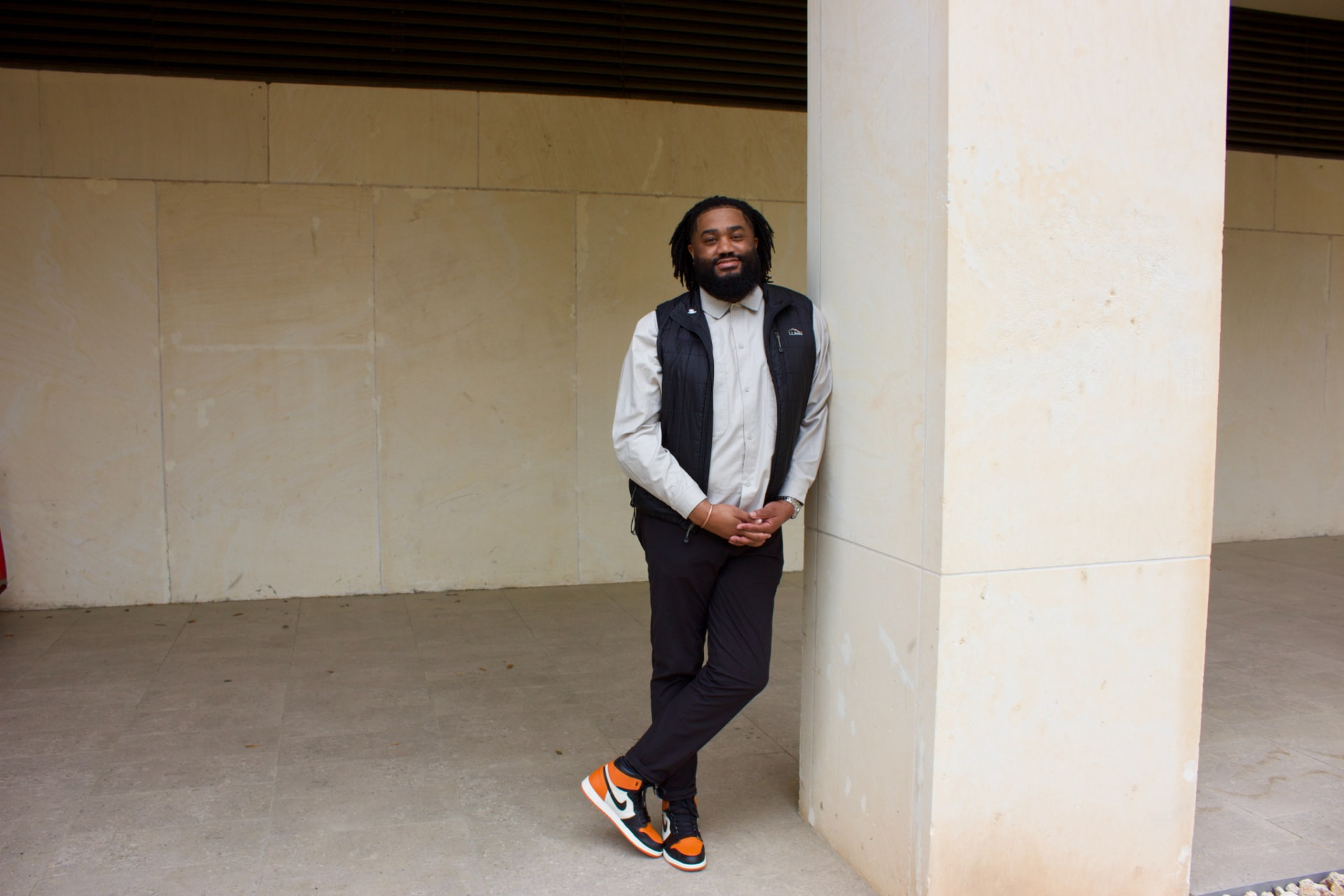
Perspective
I've spent my career following the work.
I started on the front lines of healthcare and kept following the work: through operations, revenue cycle, technology, building companies, advising leaders, and serving in boardrooms.
Today, I’m Founder + AI Operating Partner at ethos AI Labs. We build AI-enabled services and help organizations navigate what comes next, as AI moves beyond the tool and starts taking responsibility for the work.
Each seat has offered a different lens on how organizations work. But increasingly, the same question emerged:
How will organizations thrive, when we build systems that embrace the change that will come?
Operated
Nearly two decades across healthcare operations, revenue cycle, technology and service delivery, beginning on the front lines.
I’ve seen the work from inside health systems, medical groups and health plans, as well as services and technology organizations spanning multiple industries.
Selected organizations + environments

Built
Founder across venture-backed, bootstrapped, and nonprofit organizations.
Today, I’m building ethos AI Labs to rethink what becomes possible when AI takes responsibility for more of the work organizations do.
Previously co-founded Omaiven Health, a venture-backed healthcare AI & automation company.
Founded

Innovation Leadership
- Tiger Tank · Co-Founder · Trinity University healthcare innovation pitch competition
- Healthcare PRISm · Co-Founder · National healthcare innovation pitch competition supporting future healthcare leaders
Supported by

Advised
I work with leaders across healthcare, services, technology, startups, and academia to understand shifts in their markets, explore the expanding frontier of what technology makes possible, and rethink what their organizations could do next.
Board Director
I’ve served in board and advisory roles across health plans, technology, and academia, including as Vice Chair of Sendero Health Plans, Chair of Trinity University’s Health Care Administration Advisory Council and innovation initiatives, as well as roles with Vivent Health and BB Imaging / TeleScan.
Selected board + governance


What started in healthcare expanded across industries and into different seats across the organization. What remained constant was a view from inside the work, informed by experience across that spectrum. That perspective shapes how I think about what comes next.
"Our best work embraces our humanity. Technology should therefore, increase human agency."
Field Notes from an AI Operator
Keynotes + topics for speaking engagements
Ideas worth bringing into the room.
Five conversations for leaders navigating what AI changes about work, organizations, leadership, and access.
- 01
When AI owns the work
Are we ready to operate when people + AI share the work?
We’ve spent years asking what AI can do. The more important question now: what are we willing to let it own?
Most organizations still treat AI as something people use: a tool, an assistant, something running alongside the business. But the bigger shift begins when AI stops assisting the work, and starts owning more of it.
Then, the questions change.
What should AI own? Where are people essential? Who is accountable? And what happens to the organization, when people no longer have to do all the work?
What to expect
- A different way to think about AI: through ownership, not access.
- Where people remain essential, and why.
- What changes when AI becomes part of the workforce.
- 02
The compounding organization
Your organization has years of experience. Is each day making it smarter?
AI may give us something we’ve never really had before: organizations capable of learning from the work, every day.
Today, organizations learn constantly. A customer surprises you. A process fails. Someone finds a better way. A leader makes a judgment call that works.
Then, much of it disappears.
Into meetings. Inboxes. Chat threads. Individual memory. We accumulate experience, without always getting smarter because of it.
What happens when that starts to change?
When an organization can remember what it learns, build on it, and bring that learning into the next decision, the opportunity is bigger than efficiency. The organization itself can begin to compound.
And in a world where the destination keeps moving, the organizations that thrive may be the ones that can learn and evolve fastest.
What to expect
- Where valuable organizational learning gets lost today.
- How AI changes what an organization can learn, remember, and carry forward.
- Why the ability to compound learning may become one of the defining advantages of the AI era.
- 03
Organizational fitness
What are we really optimizing for?
Revenue? Growth? Margin? Unit economics? Quality? Access? Patient experience? Workforce?
We’re very good at measuring how an organization is performing. But AI is rapidly changing what an organization can do, how work gets done, and the capabilities available to it.
That creates a different challenge.
An organization can hit its numbers, while becoming less capable of moving. Leaders have no attention to spare. Teams have no capacity to experiment. Every efficiency removes a little more room to maneuver. Then, a technology arrives that can fundamentally change the work, and there’s no reserve left to take advantage of it.
The organization is performing. But is it fit for what’s becoming possible?
In the AI era, the organizations that thrive won’t simply run today’s model more efficiently. They’ll create capacity, absorb shocks, seize new possibilities, adapt, and keep evolving as the frontier moves.
What to expect
- Why strong performance and organizational fitness are not the same thing.
- How AI changes what organizations need to be capable of, not just what they can automate.
- A different set of questions for deciding what your organization should really optimize for.
- 04
The C-Suite challenge
When everyone expects you to have the answers. But questions about the AI era are mounting.
My board wants a strategy. My employees are already using “shadow AI.” My team says we need to move faster. A competitor just announced something that sounds like it could change the market. Every new statistic tells me my peers are ahead. And tomorrow morning, I’ll wake up to another headline telling me everything changed again.
Meanwhile, I’m being asked to make consequential decisions about a technology I’m still learning myself.
How much do I actually need to know?
That question is becoming harder to avoid. Move too slowly, and you risk falling behind. Move too quickly, and you can expose the organization in ways you don’t yet understand. Delegate it entirely, and you may be outsourcing decisions that will shape what your organization becomes.
The challenge isn’t becoming an AI expert. It’s becoming prepared to lead while the technology, the possibilities, and the expectations keep moving.
What to expect
- What executives actually need to understand about AI to lead effectively.
- How to learn fast enough to make better decisions, without chasing every headline.
- Better questions for deciding what deserves urgency, what can wait, and what shouldn’t be delegated.
- 05
Rethinking access
What if yesterday’s constraints no longer define the potential of tomorrow?
Healthcare access has traditionally been shaped by familiar constraints: appointments, clinicians, facilities, hours, geography, coverage, language, and the people available to do the work.
Those constraints are real. But they no longer have to define the boundaries of what we imagine.
AI gives us capabilities we haven’t had before. It can change how people get answers, how administrative work gets done, how information moves, and how people navigate and stay connected to care.
That creates an opportunity to rethink access itself.
Because access is bigger than an appointment. It’s the entire experience of finding care, reaching it, understanding it, navigating it, and continuing to receive it. And every unnecessary step asks something more of the person we’re serving.
The opportunity isn’t simply to make healthcare faster. It’s to design a healthcare experience that asks less of people, and leaves more room for the lives they want to live.
What to expect
- A broader view of access, beyond traditional measures and clinical capacity.
- How AI allows us to reconsider constraints we’ve long accepted as inherent to healthcare.
- What becomes possible when we design the experience around the people healthcare exists to serve.
"The goal isn't more information. It's a different way to see the problem, imagine what's possible, and plot a better path forward."
Beyond the keynote
Some conversations need a smaller room.
Field Notes: C-Suite Circles
The questions leaders most need to ask aren't always the ones they want to ask from a stage, in a board meeting or in front of their teams.
C-Suite Circles create room for the questions underneath the strategy: what you understand, what you don't, where the organization is actually behind, what deserves urgency and what can wait.
Bring Jerold into the conversation- Are we actually behind?
- Have we adopted AI, or just bought access to it?
- How much should I personally understand?
- How do I know whether the person I've delegated this to actually knows what they're doing?
- How fast is too fast?
- How do we experiment without unnecessarily exposing the organization?
Track record
The questions change. The work continues.
Nearly two decades across the front lines, operations, technology, company building and boardrooms have changed the questions. The work has always been about understanding what comes next and making it useful now.
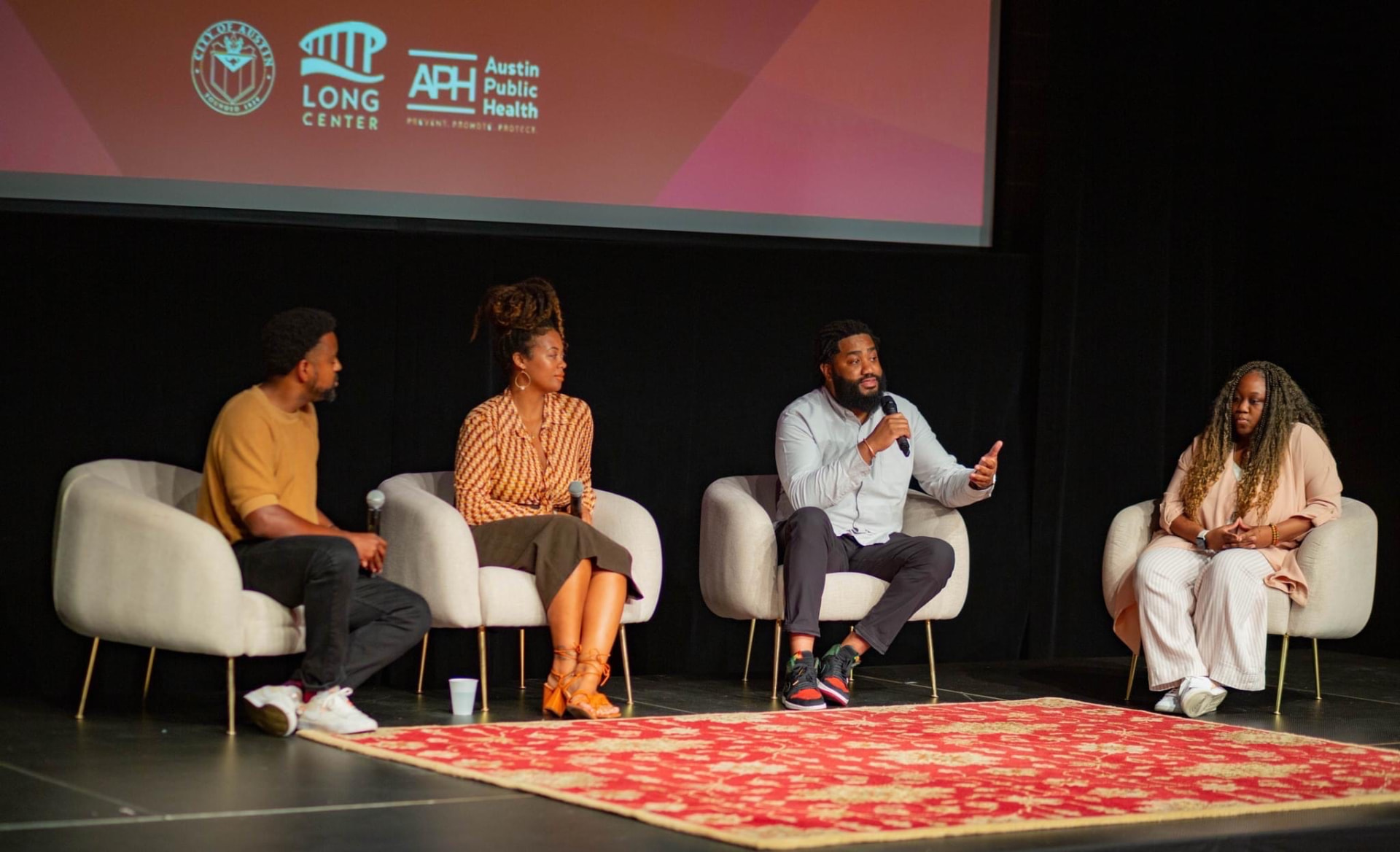
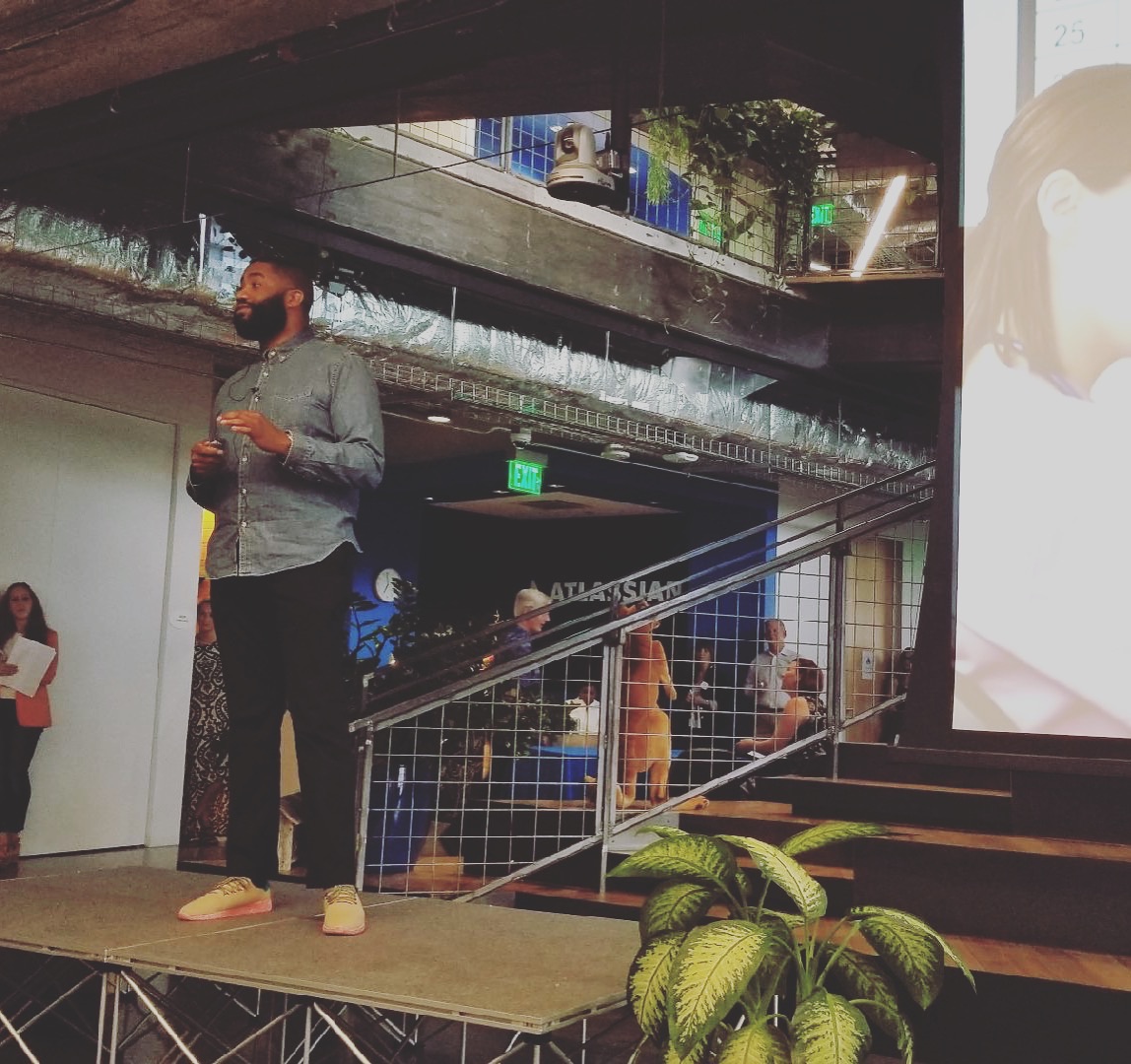
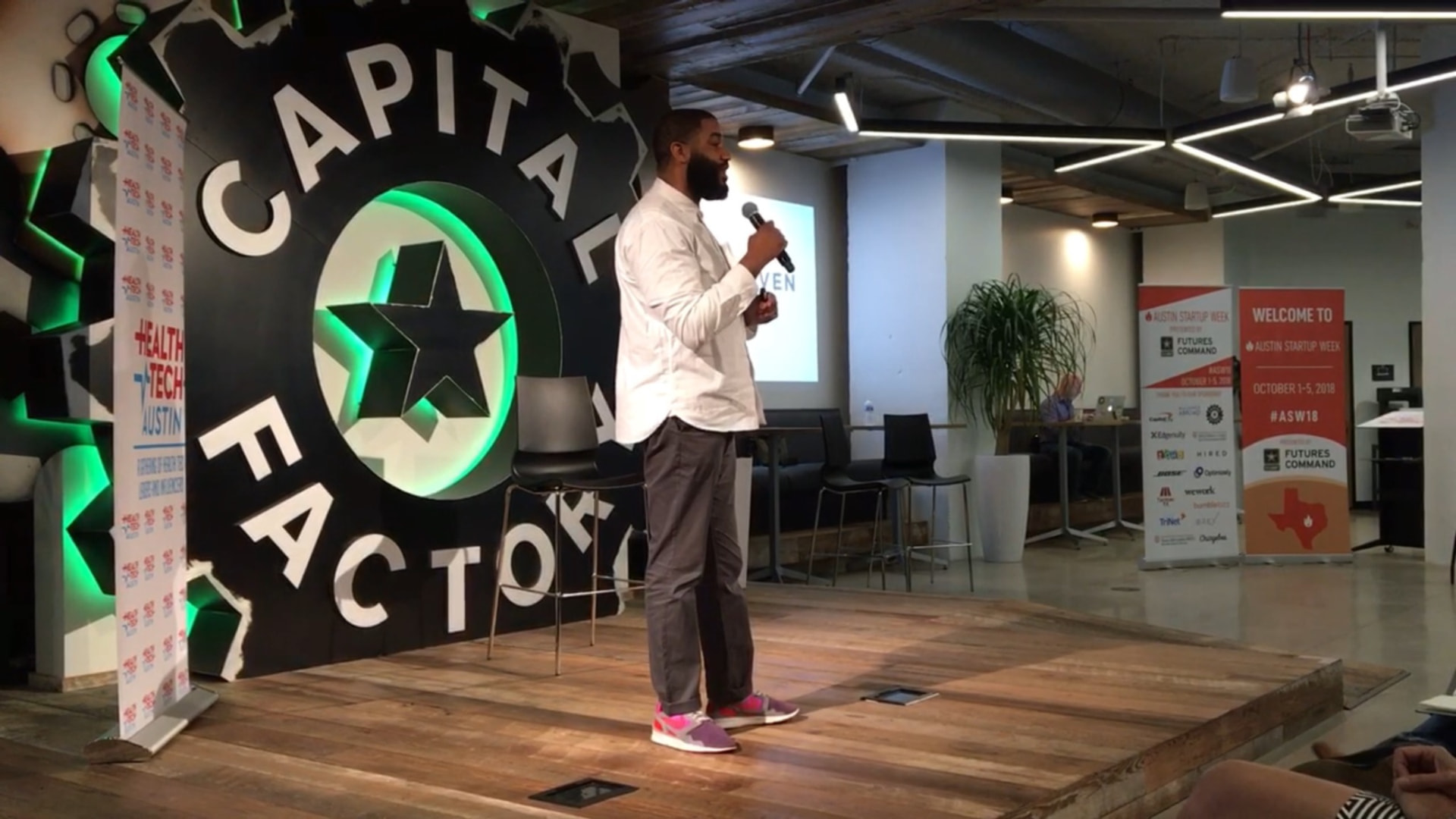
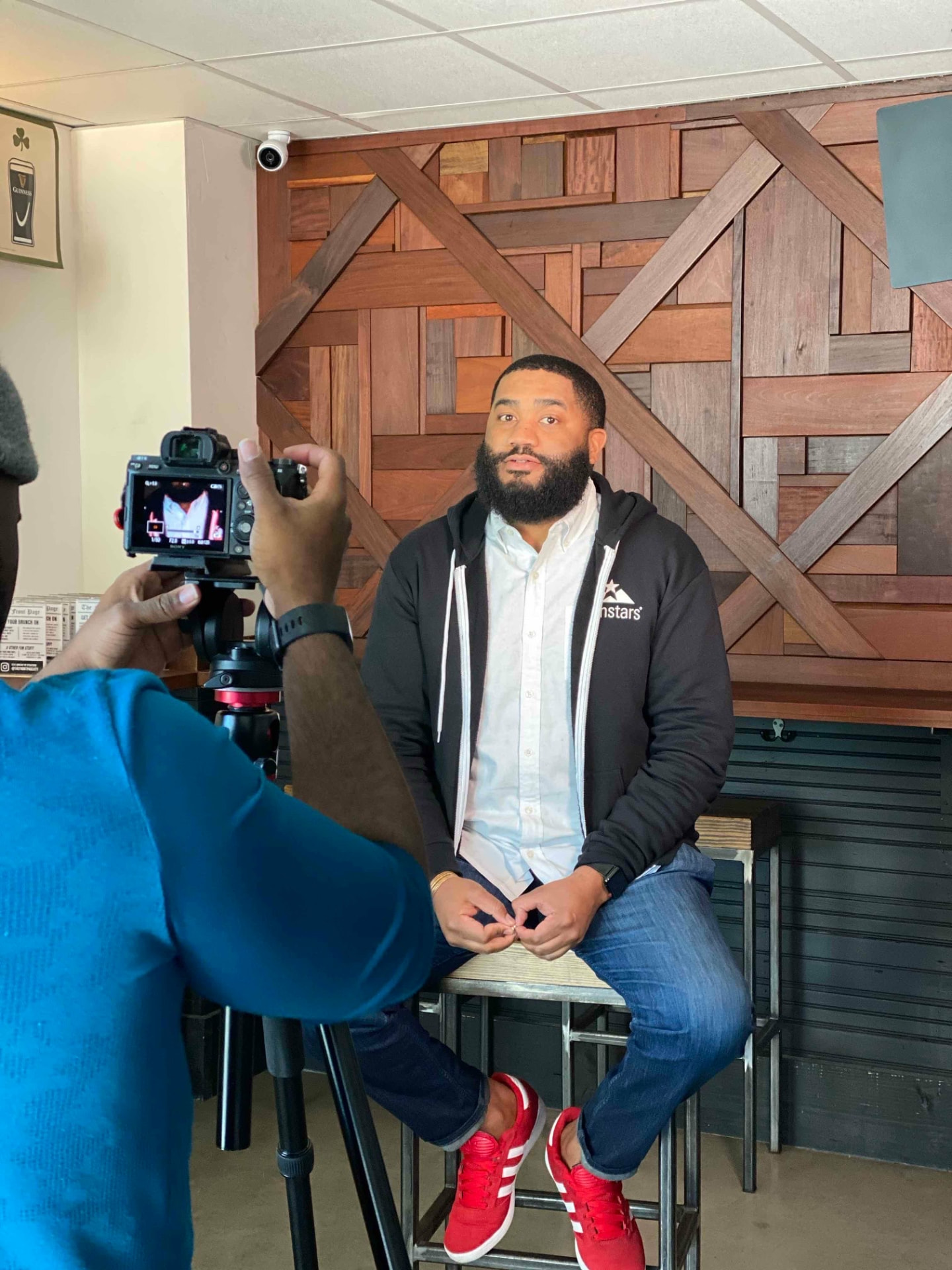
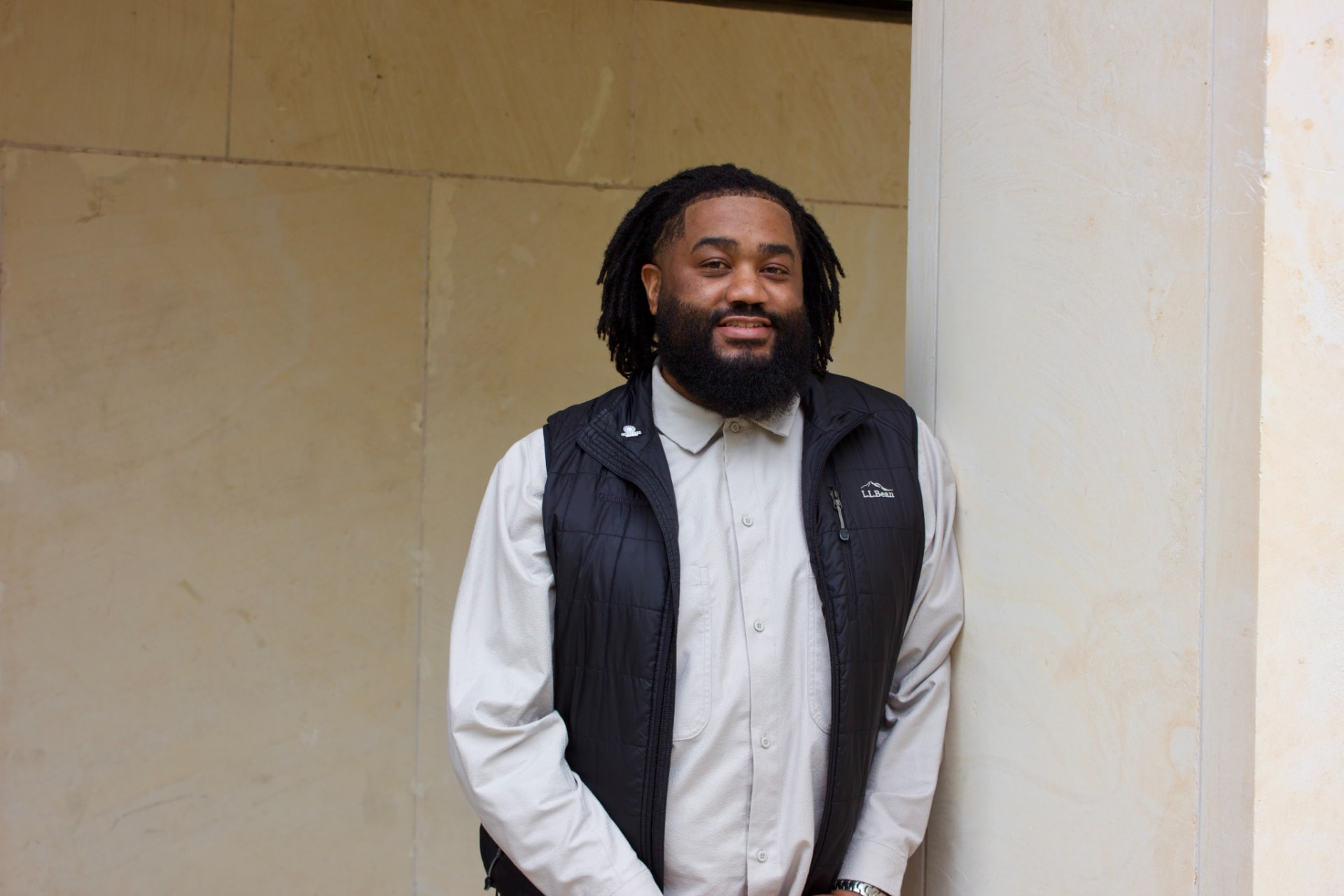
Service. Stewardship. Agency.
I grew up in a multi-generational military family where service was never an abstract idea. I found my own path to serve through building organizations and businesses.
Technology has always interested me for the same reason: what unlocks when we give people more capacity, more choices, and more agency?